We are marking Seachtain na Gaeilge (1–17 March) with a new awareness initiative highlighting the importance of language, identity and connection in hospice care. Titled “Mar go bhfuil do theanga tábhachtach / Because Your Language Matters,” the campaign celebrates the role the Irish language can play in supporting patients and families during some of life’s most vulnerable moments.
Throughout the festival, members of the Galway Hospice team are sharing short reflections on social media about how language can bring comfort, dignity and a sense of belonging in hospice care, because as they underline, “Being understood is an essential part of being cared for”.
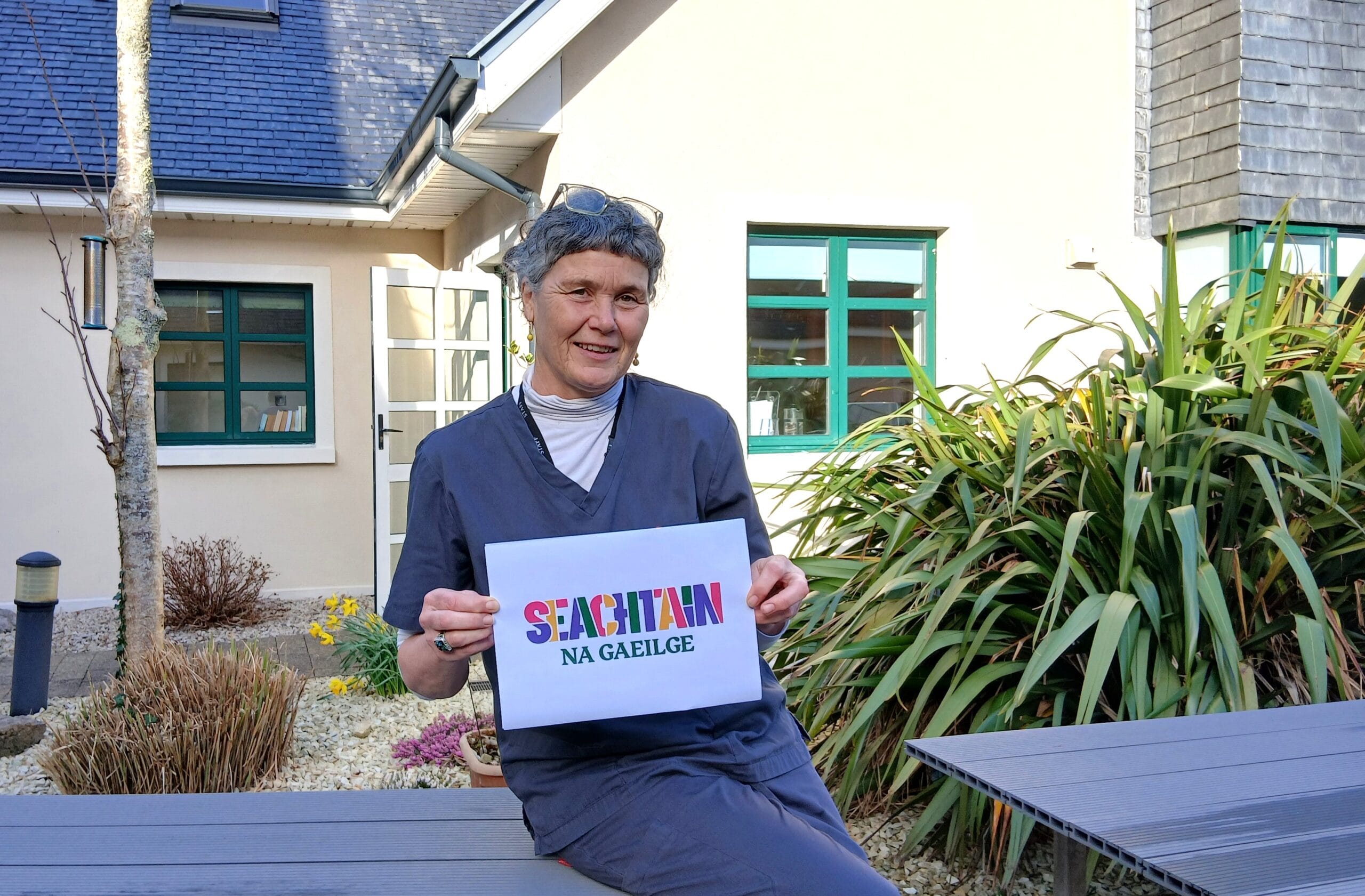
For Clinical Nurse Specialist Una O’Kane, language plays an important role in community palliative care: “Sometimes, when we greet someone in Irish, you can see them relax straight away. People feel more comfortable when they can explain how they are feeling in their own language. Especially for those who are seriously ill or nearing the end of life at home, that connection can mean so much.”
For many patients and families across Galway, Irish remains an important part of their identity and daily life. Hearing their own language during moments of illness or at the end of life can create an immediate sense of familiarity and reassurance.
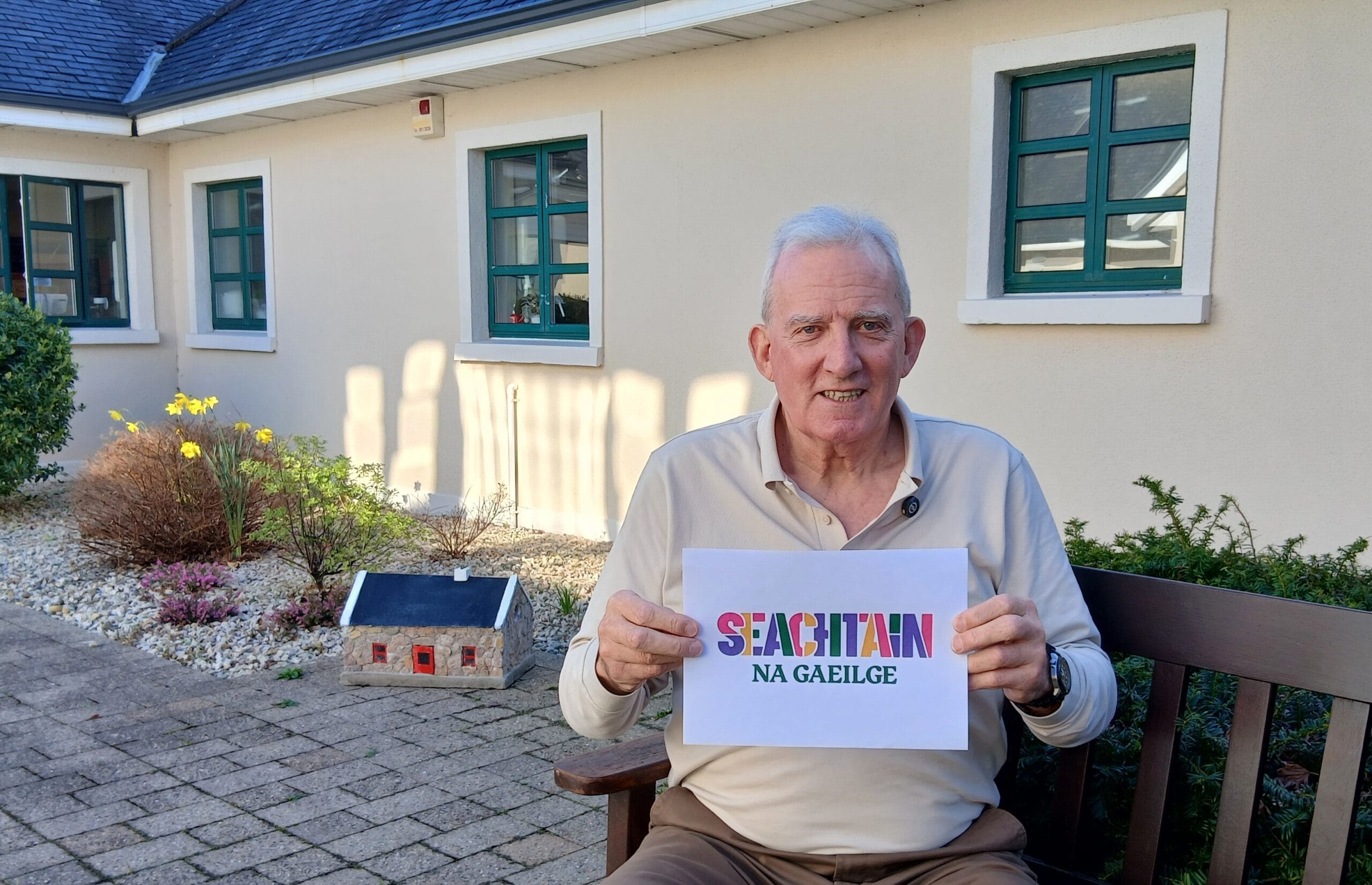
Volunteer Aonghus Ó Concheanainn highlights how language can help create a sense of reassurance for patients and families: “Although people often come to us during very difficult times, when they are welcomed in their own language, the hospice feels less intimidating and their confidence grows that they will find care and support here.”
According to the 2022 Census, more than 7,200 people in the Galway County Gaeltacht, and almost 72,000 people across Ireland, speak Irish every day outside the education system.
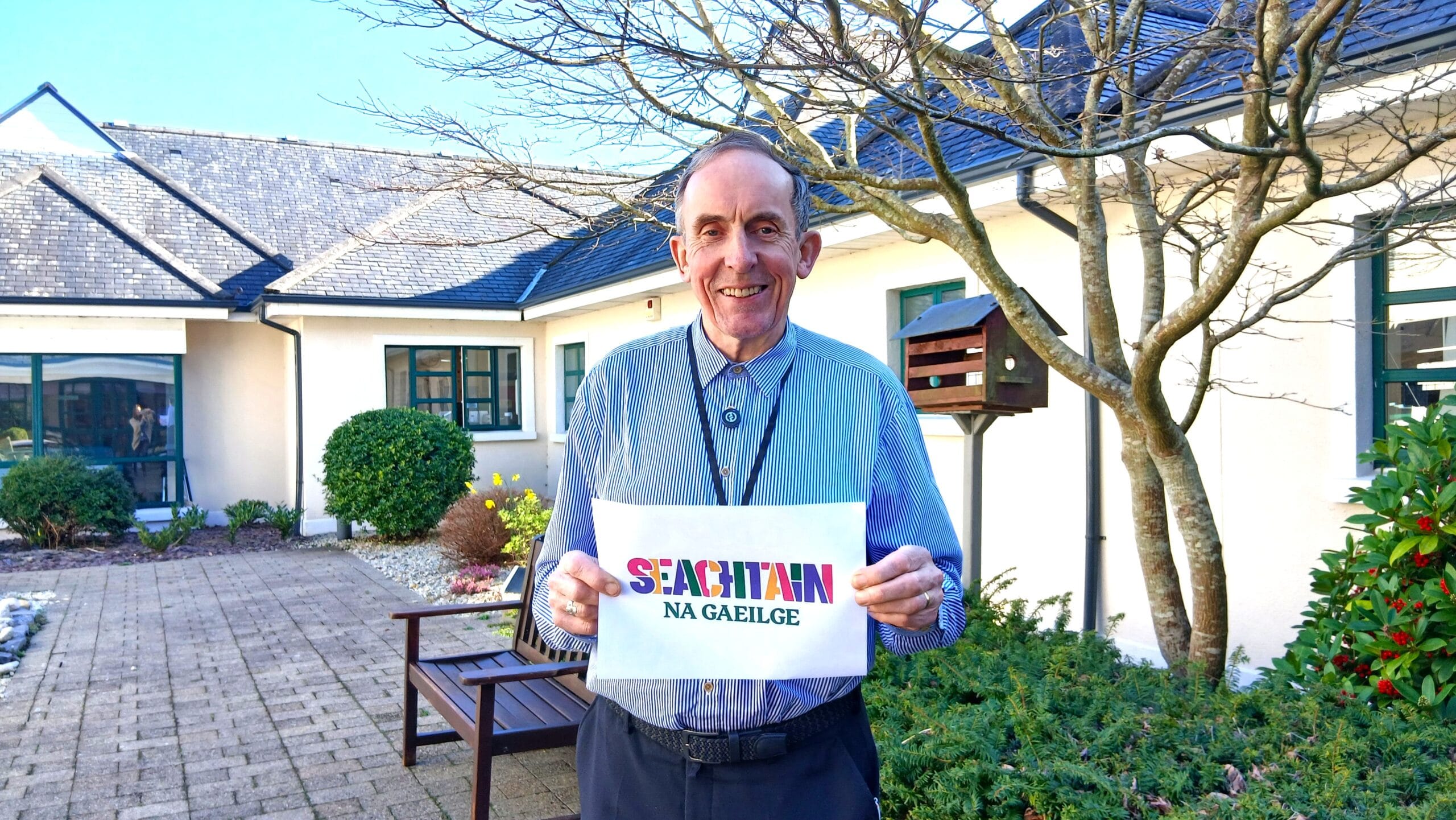
Volunteer Tim Folan describes how language can create meaningful connections: “Many people come here from the Gaeltacht, particularly from Connemara. When we can speak Irish with them, it means a lot. I remember visiting someone from Connemara who was with us for a few weeks — when I spoke Irish with him, he really appreciated it. That’s the joy of it.”
The campaign explores how language contributes to several important aspects of hospice care, including dignity, comfort, belonging, inclusion and human connection. From the first welcome at reception, to conversations with nurses and doctors, to quiet moments shared with volunteers, Galway Hospice recognises that small gestures — including speaking someone’s own language — can make a profound difference.
Receptionist Barbara Kenny says speaking Irish can help people feel immediately at ease: “When people from Connemara arrive and realise you can speak Irish, you can see the difference straight away. They feel more comfortable, more open, and able to ask questions at a time when things can be very difficult.”
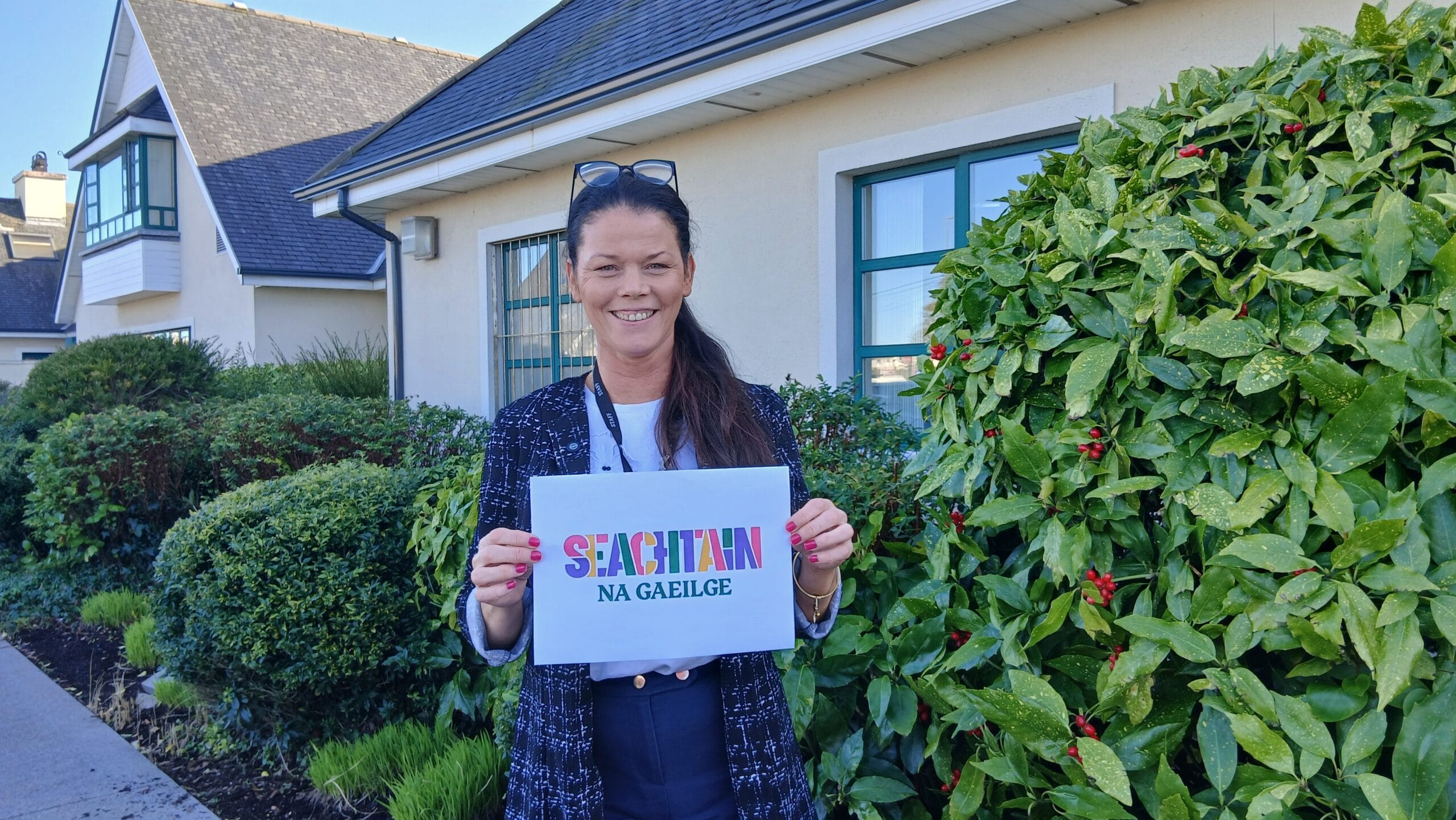
Seachtain na Gaeilge is the world’s largest celebration of the Irish language and culture, reaching communities across Ireland and internationally each year.
Through this campaign, Galway Hospice hopes to highlight the importance of cultural understanding in healthcare and celebrate the Irish language as a living part of the community it serves.
As the campaign message reminds us: “Because in hospice care, every voice matters. Agus gach teanga freisin.”